

What is osteopathy?
Osteopathy is a holistic form of manual therapy that views the body as an interconnected system. Muscles, joints, fascia, organs and the nervous system all influence one another, and restrictions in one area can affect how the body functions elsewhere. The aim of treatment is to identify and address these restrictions to help the body move and function more efficiently.
Every treatment begins with a detailed consultation and physical examination. Based on your individual needs, a range of hands-on techniques may be used to improve mobility, reduce tension and support normal function. Rather than focusing solely on where pain is felt, osteopathy aims to understand and address the factors contributing to your symptoms.
Osteopathy is commonly used to support people with back and neck pain, headaches, jaw pain and a wide range of other musculoskeletal conditions. Depending on your needs, treatment may also include tailored exercises, education and collaboration with other healthcare professionals to achieve the best possible outcome.
Osteopathy was founded in the late 19th century by Andrew Taylor Still. His principle of treating the body as a whole continues to form the foundation of modern osteopathic practice.


Muscles & Joints
Parietal Osteopathy
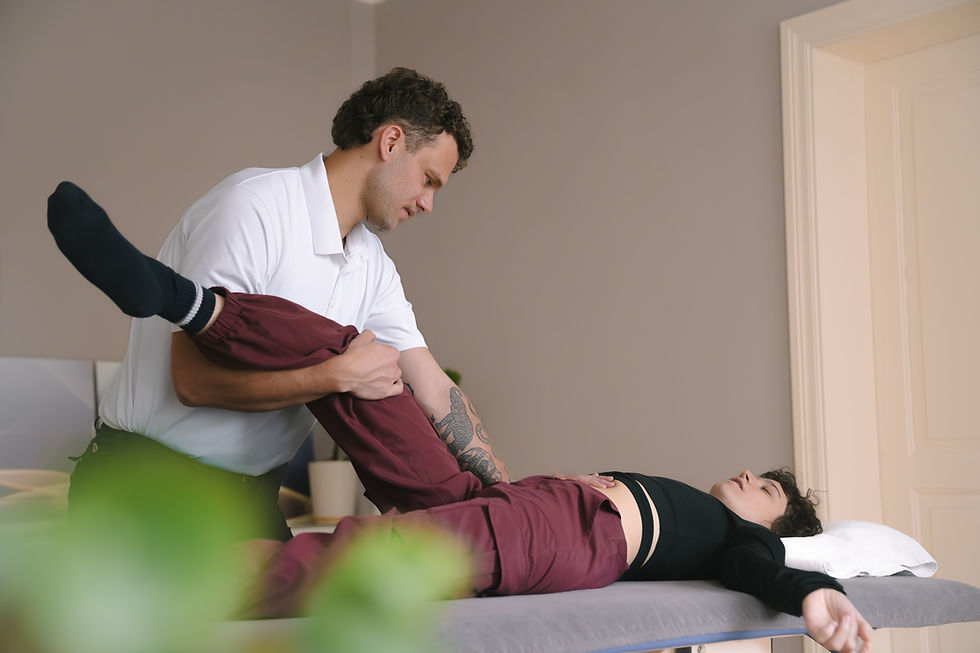
Parietal osteopathy focuses on the muscles, joints and connective tissues that allow your body to move freely and efficiently. The aim is to improve mobility, reduce tension and restore normal movement, helping your body function at its best.
Treatment is tailored to your individual needs and may include soft tissue techniques, stretching, joint mobilisation and, where appropriate, manipulation. Most patients find treatment relaxing and often notice an immediate improvement in movement and a reduction in tension.
Rather than focusing only on the area where pain is felt, osteopathy looks at how different parts of the body work together. A previous injury, altered movement pattern or prolonged strain elsewhere in the body may contribute to your current symptoms.
Visceral Osteopathy
Internal Organs
Visceral osteopathy is another cornerstone of osteopathy, focusing on the health of your internal organs and the surrounding tissue. By applying gentle, rhythmic pressure to the abdomen and chest, we work to release tension and improve blood circulation in areas such as the stomach and intestines.
This approach can be particularly beneficial for people suffering from digestive problems or referred tension in the back and neck (Rodriguez Mesa, 2025). Various techniques are used to release tension in the connective tissue surrounding the internal organs, thereby alleviating complex symptoms.
While the effectiveness of visceral osteopathy remains a topic of debate, it may still be valuable given the complex nature of many complaints—a complexity that academic studies often struggle to fully capture. Although I do not rely on visceral manipulation as a standalone treatment, I believe it has therapeutic potential when used in combination with other modalities.
Craniosacral Osteopathy
Skull & Sacrum
This exceptionally gentle approach focuses on the subtle rhythms of the head, spine and nervous system. Using a light touch – often no heavier than the weight of a coin – I work to release deep-seated patterns of tension and blockages within the craniosacral system. During treatment, patients typically describe a feeling of deep stillness, warmth or peaceful, restorative relaxation, allowing the body to enter a state of deep calm and natural rebalancing.
Cranial osteopathy is perhaps one of the most debated aspects of osteopathic practice. My approach to its use is similar to that of visceral techniques: I do not apply it as a standalone treatment, but rather in combination with other modalities. While the evidence remains contested, I have observed positive anecdotal outcomes in many of my patients, which is why I continue to use and refine my skills in craniosacral osteopathy.

A specialised approach to the treatment of headaches
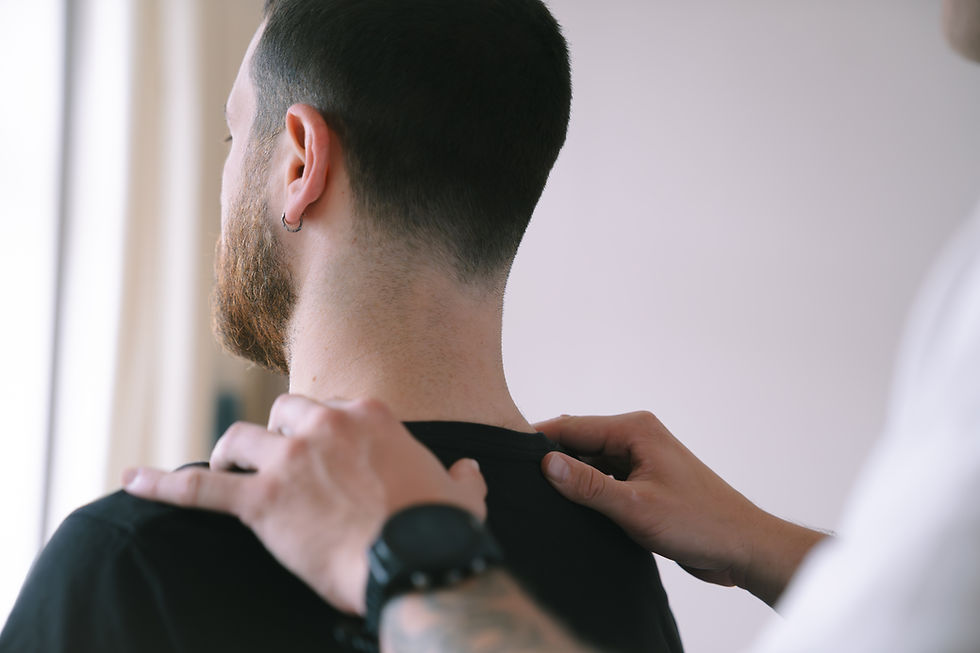
Headaches – whether migraines, tension headaches, cluster headaches or other types – are complex and are often influenced by numerous factors. That is why I take a thorough and personalised approach, starting with a detailed examination to rule out any underlying medical conditions and gain a better understanding of the causes of your symptoms.
Treatment is multimodal and combines manual therapy with exercise, education and lifestyle strategies to address both the physical and neurological aspects of headaches.
I also use the Headstrong programme – a structured, evidence-based approach that focuses on improving neck and upper body function, building strength and supporting the regulation of the nervous system. This enables us not only to reduce the frequency and intensity of headaches, but also to provide you with practical tools to manage them better in the long term.